Praiano
The fishermen cove
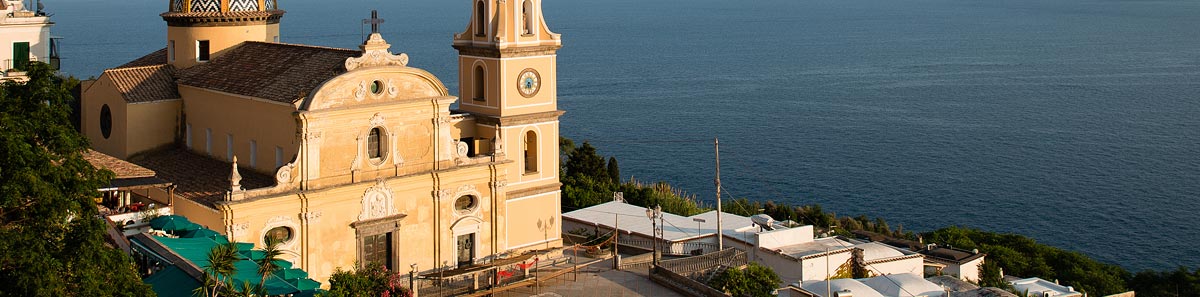
Praiano's ancient name (Pelagium) means "open
sea," infact this fishermen town offers a wide and spectacular view on Positano and its surroundings.
The "Sentiero degli Dei" (Walk of the Gods) is the famous
hike that starts from Praiano and reaches Agerola, giving hikers
the chance to really enjoy some of the top views of the Amalfi Coast.
This town started developing in the XII century and then specialized
in the production of "filo torto", linnen, coral and anchevies.
If you visit Praiano make sure you don't miss San Luca, a beautiful
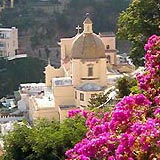
church with its colorful maiolica tiles dome and paintings by famous
artists of the past.
Praiano is surely one of the most genuine corners of the Amalfi
coast, away from the most touristy areas but rich with history,
culture, views and modern comforts.

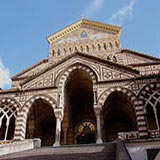
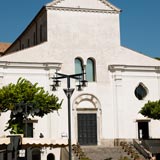
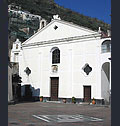 The church of San Luca Evangelista is dedicated to
the patron of Praiano, it keeps the remainings of the Saint (reliquia),
together with some noticeable works from the '500 by Lorenzo Lama, such as the wooden
altar and the "Madonna col Bambino tra i santi Luca e Francesco".
The church of San Luca is located in the higher part of town, while the church of San Gennaro in Praiano is located in the lower part of town (by the main road) and it's renouned for its dome decorated with vietri majolica (tiling), according to the local decoration tradition. Both churches of San Luca and of San Gennaro are internally divided in three navate (sections), with one main altar and six minor chapels. The church of San Gennaro was built in 1589 on an existing structure dating back to 1200 and was property of the Corsario family (noblemen from Amalfi) untill 1572. The church of San Luca Evangelista dates back to 1123.
The church of San Luca Evangelista is dedicated to
the patron of Praiano, it keeps the remainings of the Saint (reliquia),
together with some noticeable works from the '500 by Lorenzo Lama, such as the wooden
altar and the "Madonna col Bambino tra i santi Luca e Francesco".
The church of San Luca is located in the higher part of town, while the church of San Gennaro in Praiano is located in the lower part of town (by the main road) and it's renouned for its dome decorated with vietri majolica (tiling), according to the local decoration tradition. Both churches of San Luca and of San Gennaro are internally divided in three navate (sections), with one main altar and six minor chapels. The church of San Gennaro was built in 1589 on an existing structure dating back to 1200 and was property of the Corsario family (noblemen from Amalfi) untill 1572. The church of San Luca Evangelista dates back to 1123.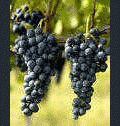 Local wines of Campania are Falanghina, Fiano, and Greco di tufo, in the whites' department, while the region's reds are the Aglianico, which is named after its grape like Falanghina, the Taurasi, the Per'e Palummo, and the Lacrima Cristi (Christ's tear). The original grapes used to make these wines originally came from Greece, together with the know-how to grow them and to turn them into wine. The whites of the area are quite fruity and fresh, and they ideally go with fish and sea-food. While the Aglianico, Per'e Palummo, and Lacrima Cristi are robust reds with a subtle scent which accompany cured meats, ham and salame, and typical cheese such as caciocavallo, provolone, and provola affumicata (smoked cheese). The Taurasi instead stands out among the region's reds as the special reserve. In the last two decades the wine makers of Campania have generally improved their production process, and added a few new numbers to their repertoire such as rosè, passitos, and a few sparkling proseccos. Make sure you taste them if you visit the Amalfi Coast.